Industry
Health & Wellness
Client
Hound Fitness
Hound Node Strength Training Tracker

Revolutionizing Strength Training: Increasing member retention with a weight tracker that disappears into your workout.
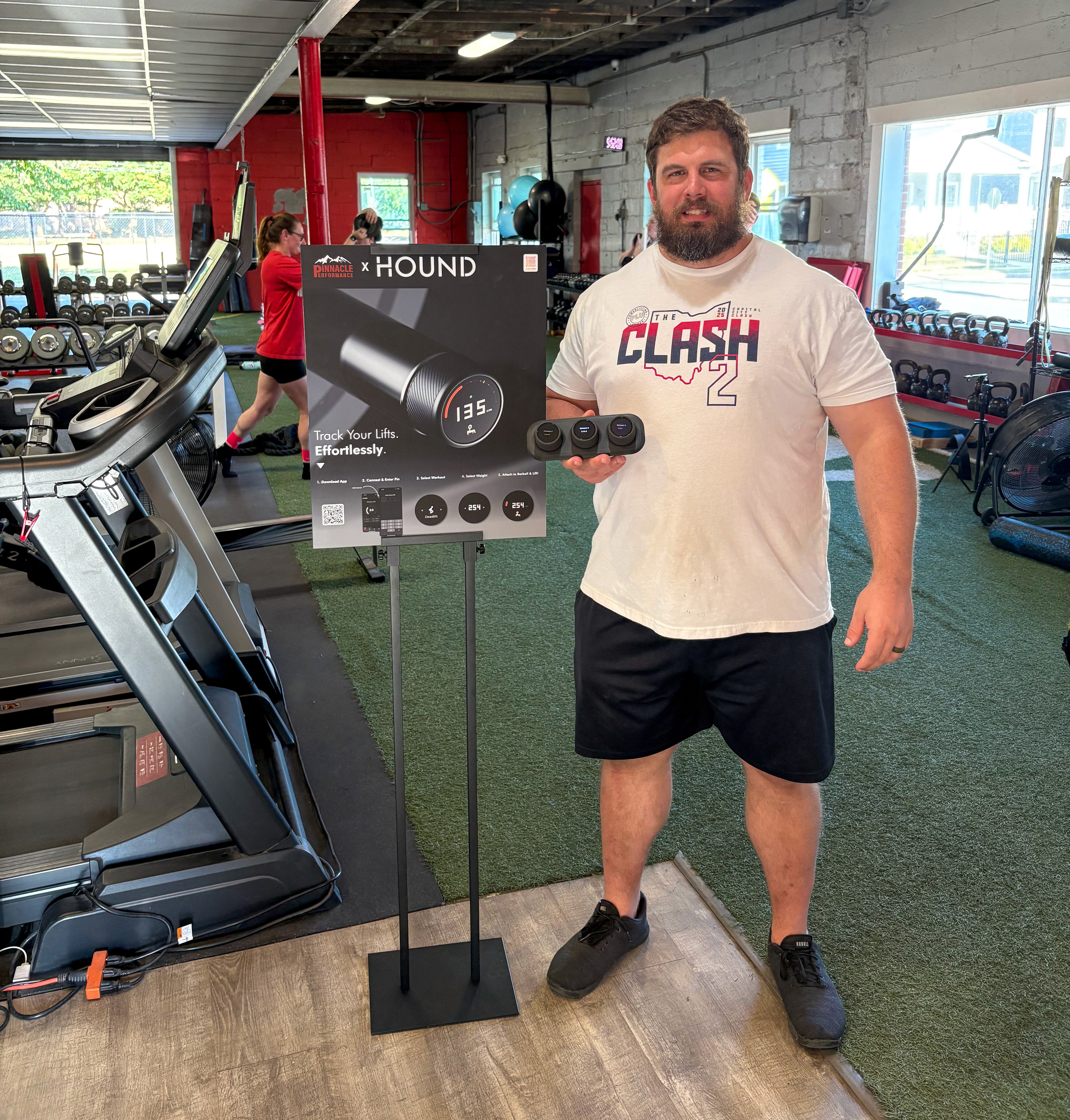
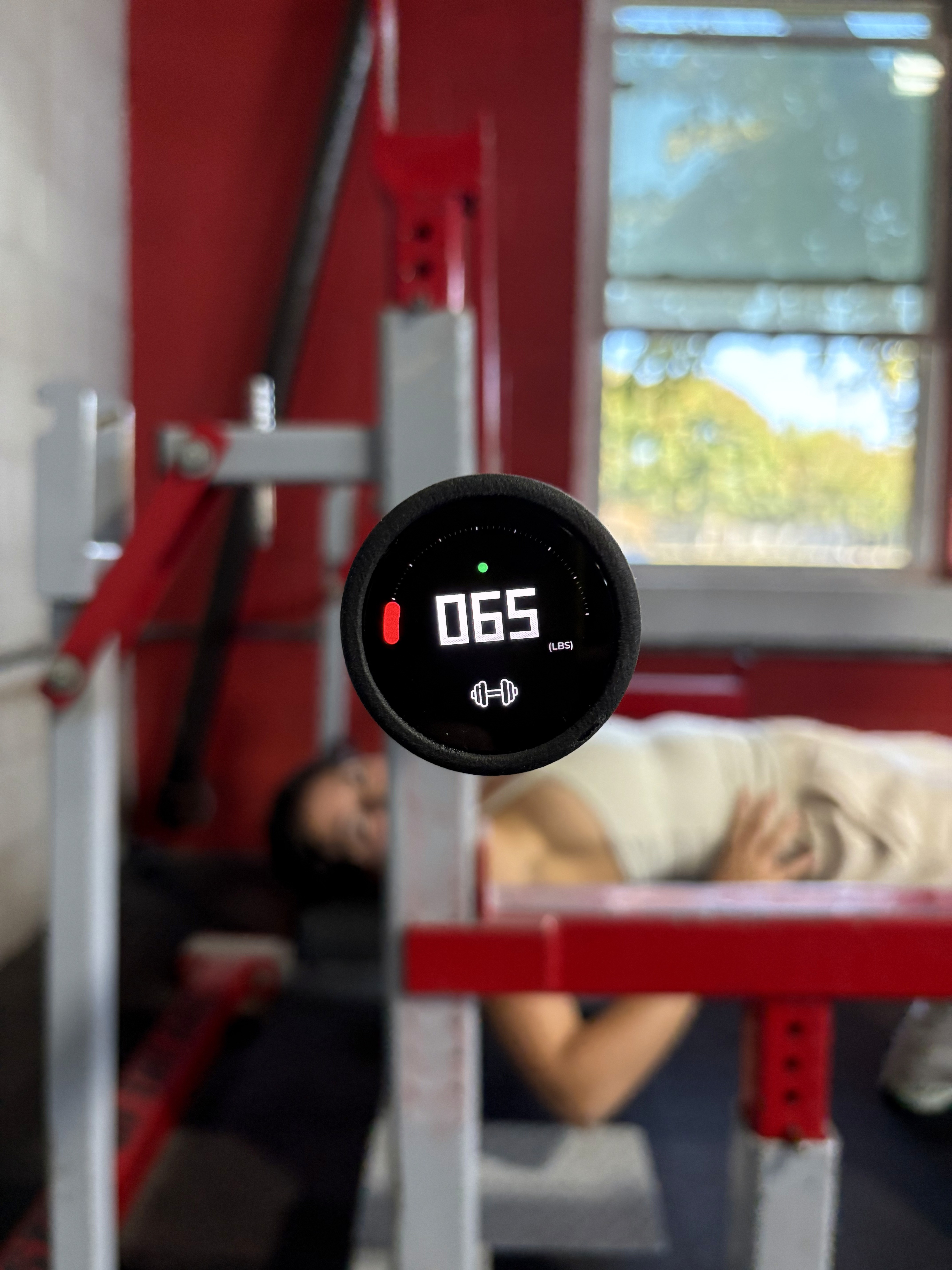
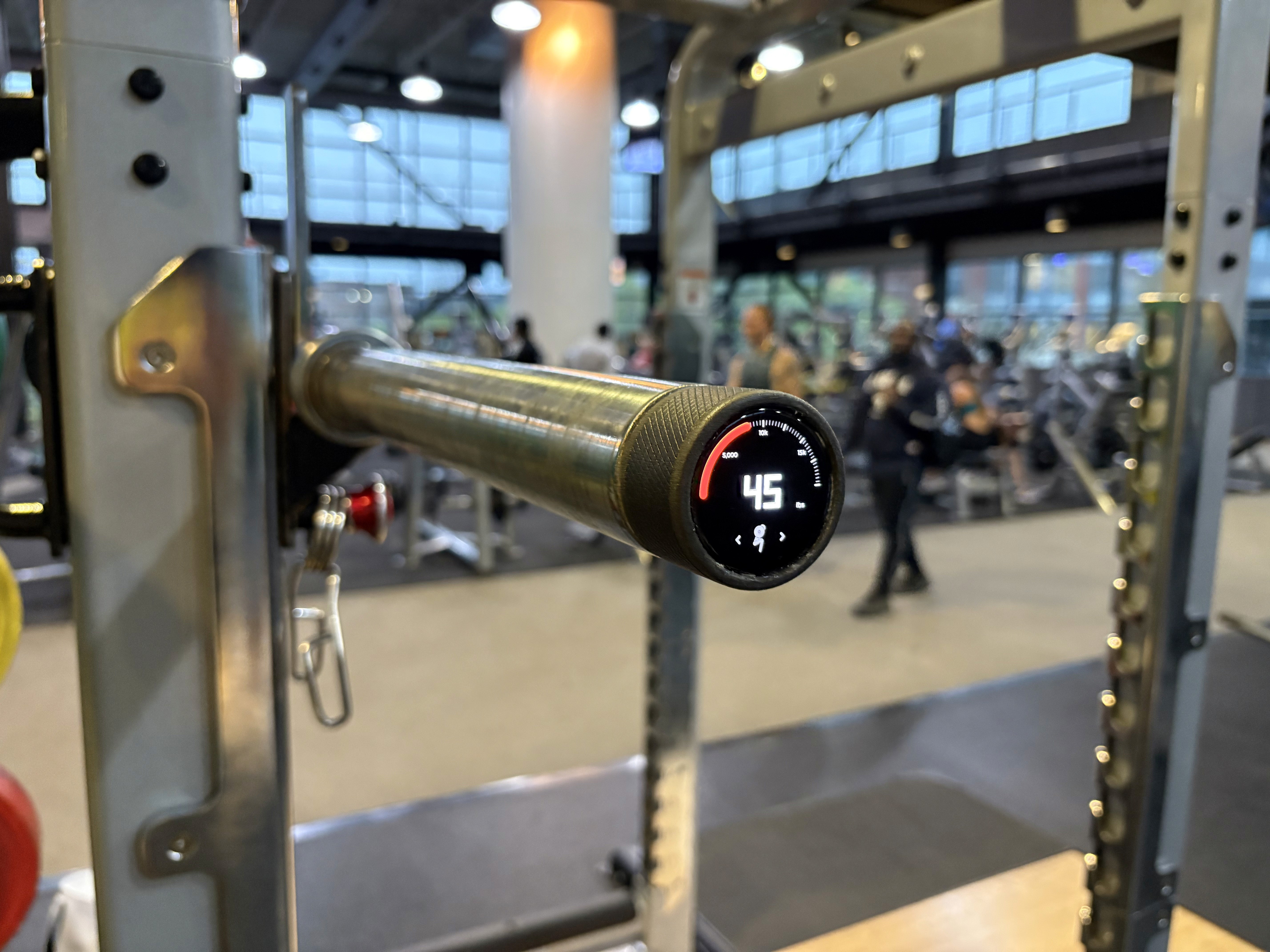
Serious lifters know that accurate tracking is the difference between stagnation and progress, but the act of logging has always been in the way. Pulling out your phone between sets, manually entering weights, trying to remember what you loaded two weeks ago, it all breaks focus and fragments the experience of training. Hound was built to eliminate all friction with tracking ones workouts, in the same way you get on the treadmill without thinking about wether or not it will accurately capture your data. Using patent-pending NFC tags that attach to weight plates and a sensor with a large display that snaps to the barbell, the system automatically identifies the load being lifted and logs every set in real time. Hound tracks reps, sets, weight, and velocity. The design challenge was making a hardware-software ecosystem that felt truly invisible. A product whose best feature is that you never have to think about it. We obsessed over the physical interaction model (zero buttons during a lift), the information architecture of the app (actionable metrics over raw data), and the onboarding flow so the system felt intuitive from the first session, especially for first users. Hound was built by myself and a co founder who handled the firmware engineering.
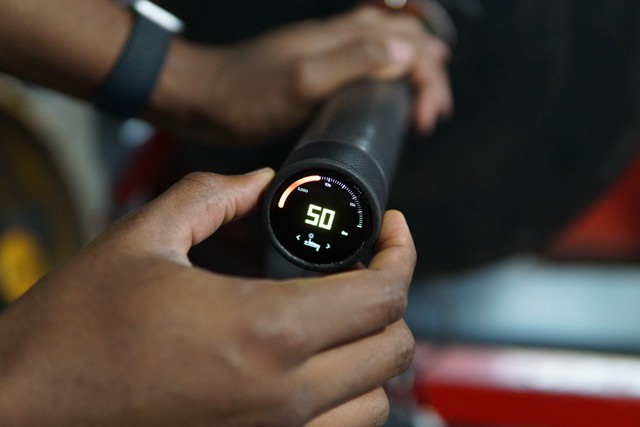
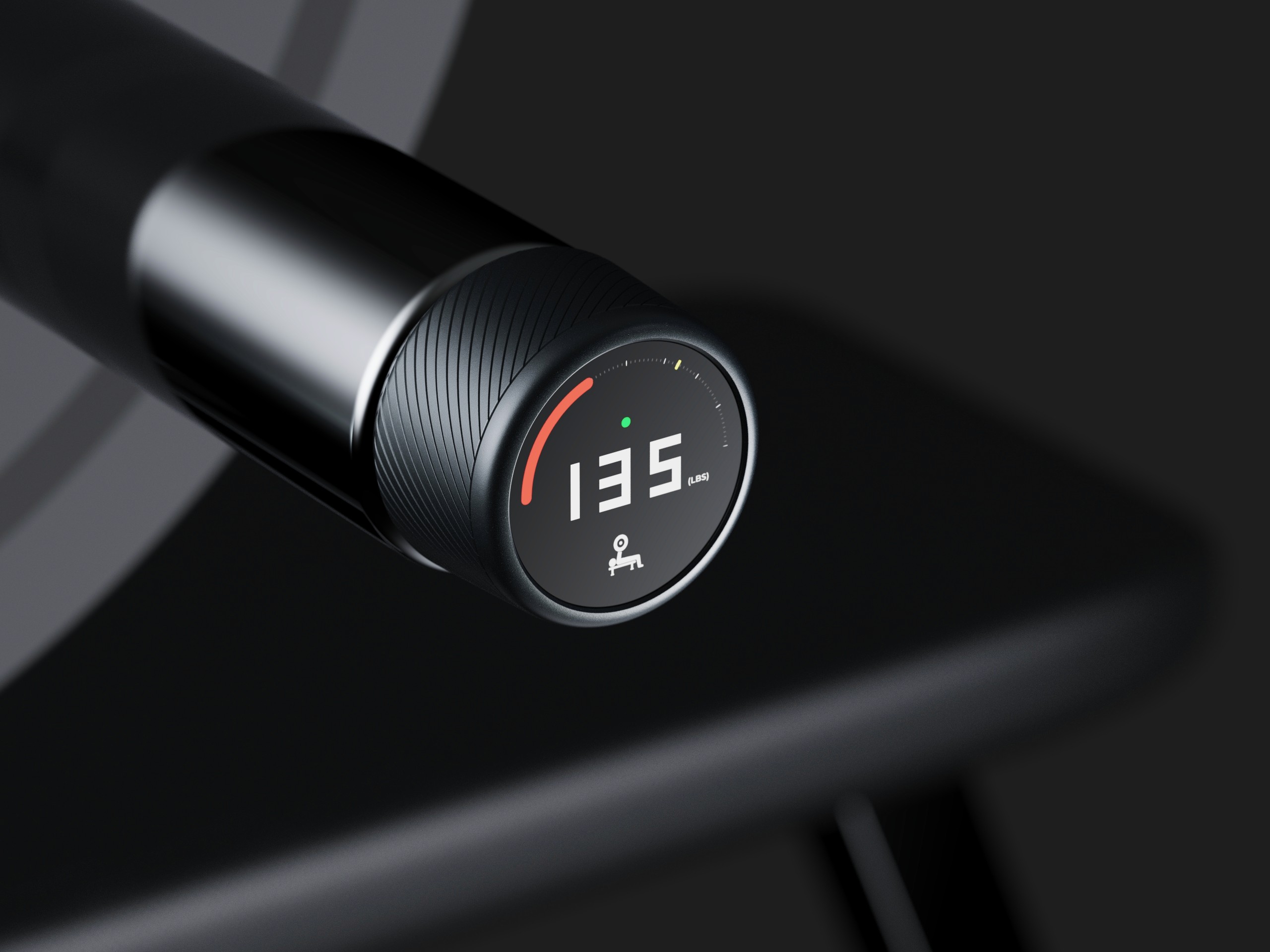
A design intended to make people look twice.
We intentionally balanced a high tech aesthetic with rugged features to help people understand that Hound is physically and technically reliable.

Development
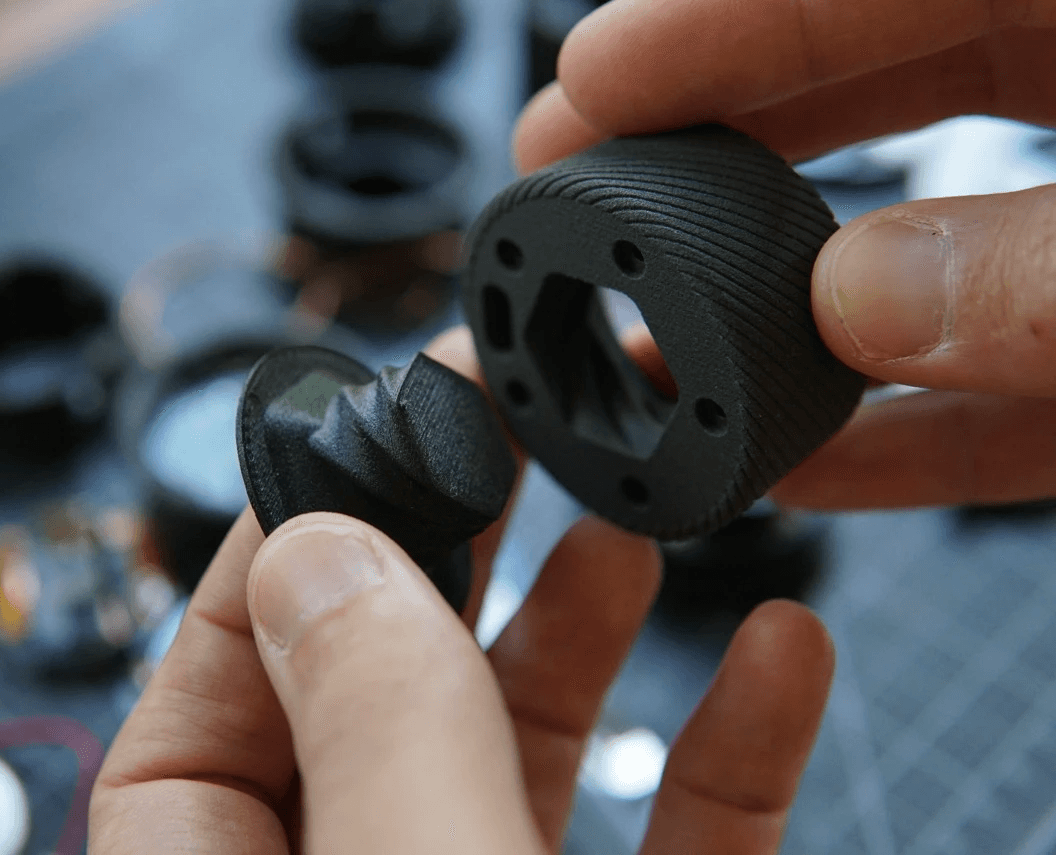
Hound was developed with durability and cost as our primary concerns. Also, I wanted to take advantage of the fact that no one has ever seen a screen at the end of a barbell. This was our wow factor.

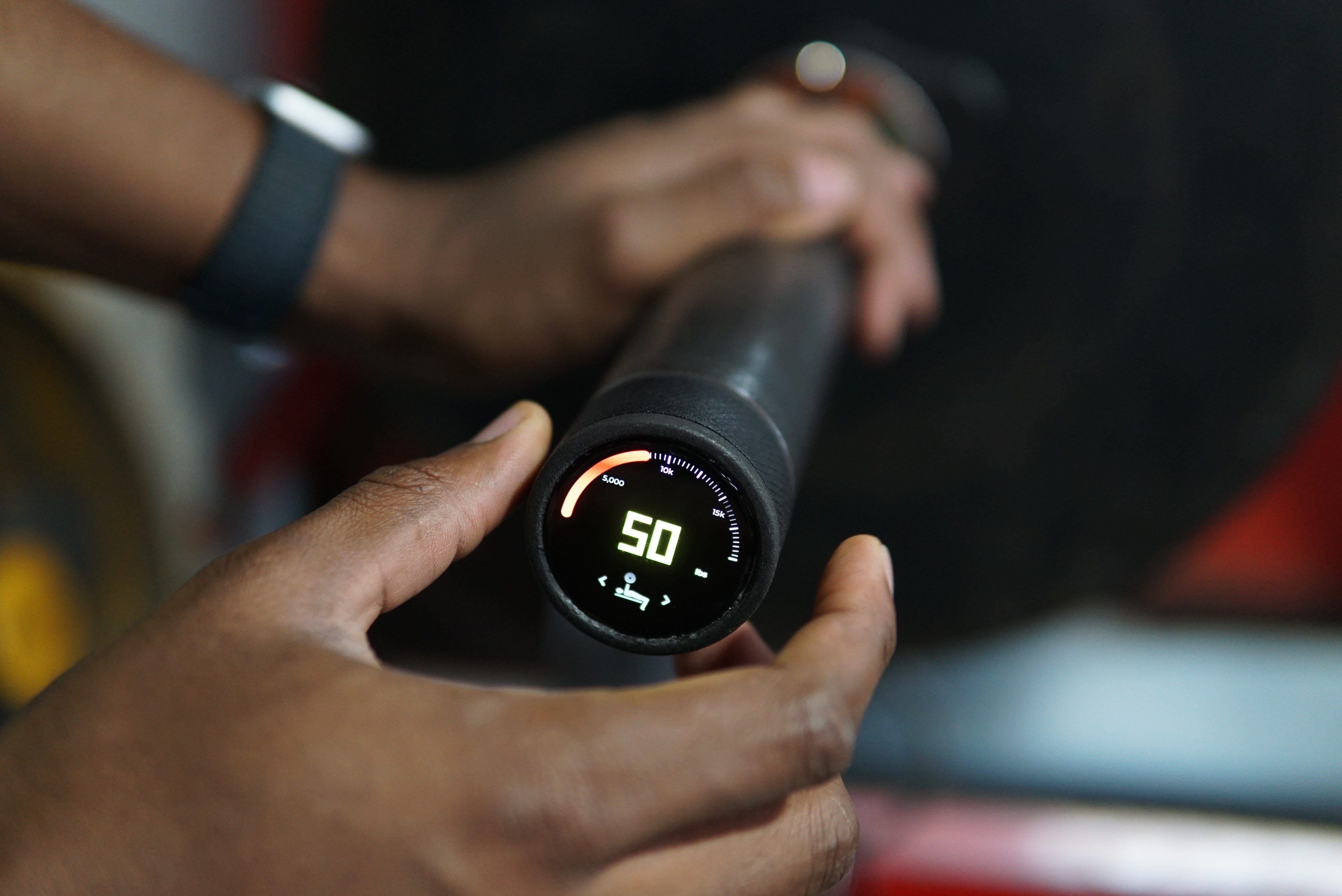
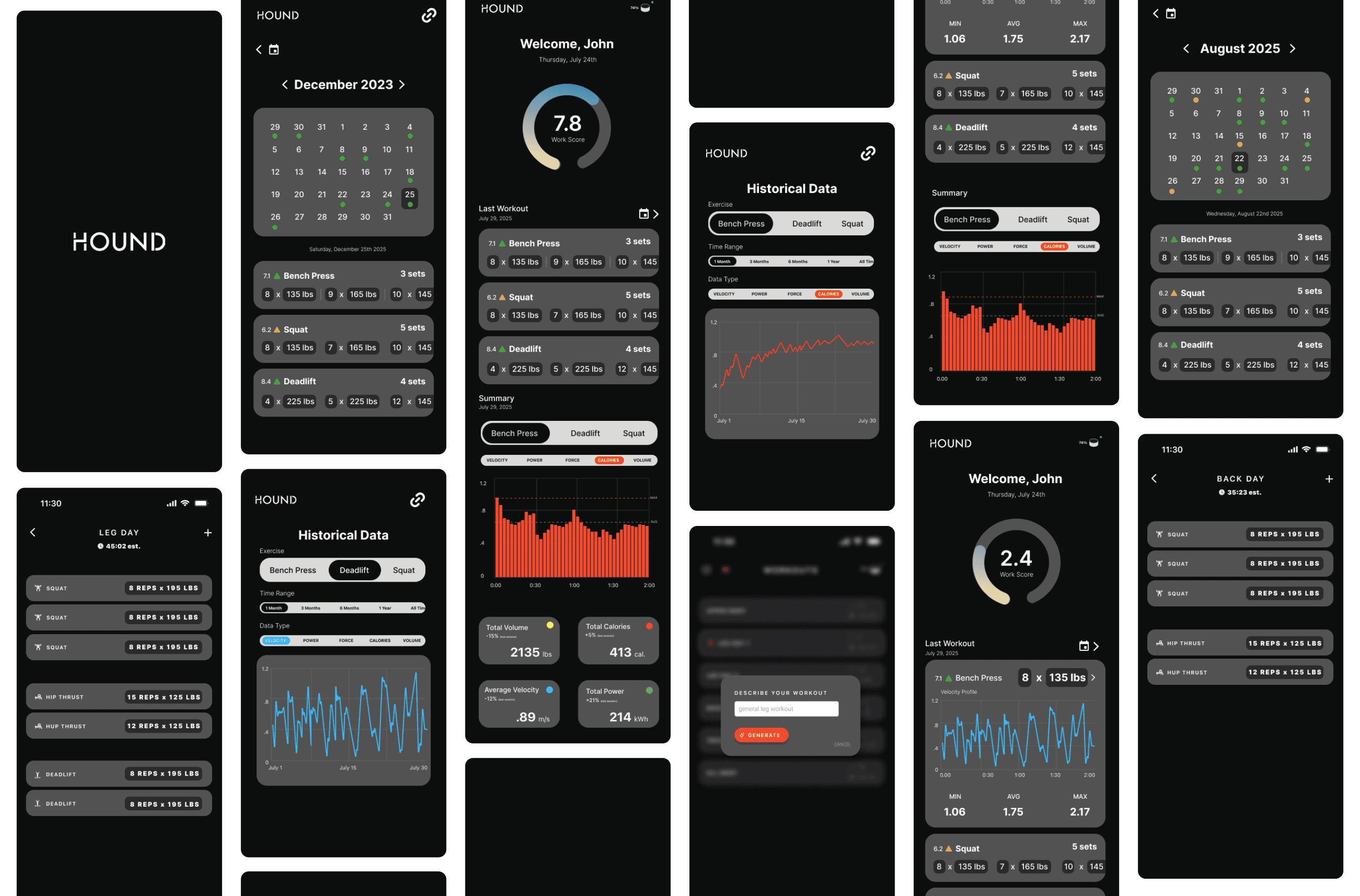
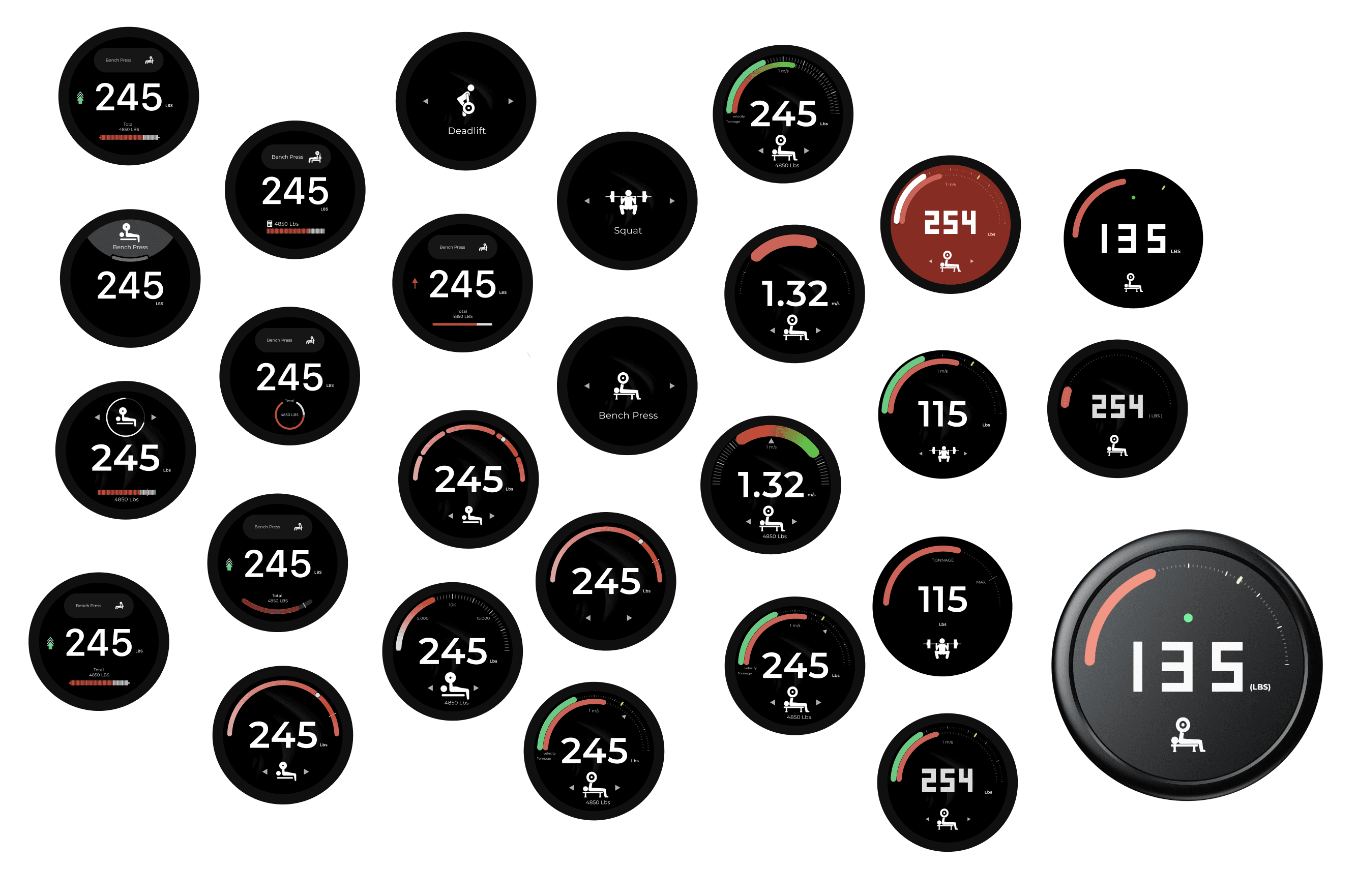
Mobile App / Device UI
Hound's app was developed to give you insights at a glance while providing more complicated, long term metrics for those who want. This decision drove the page layouts and primary views.

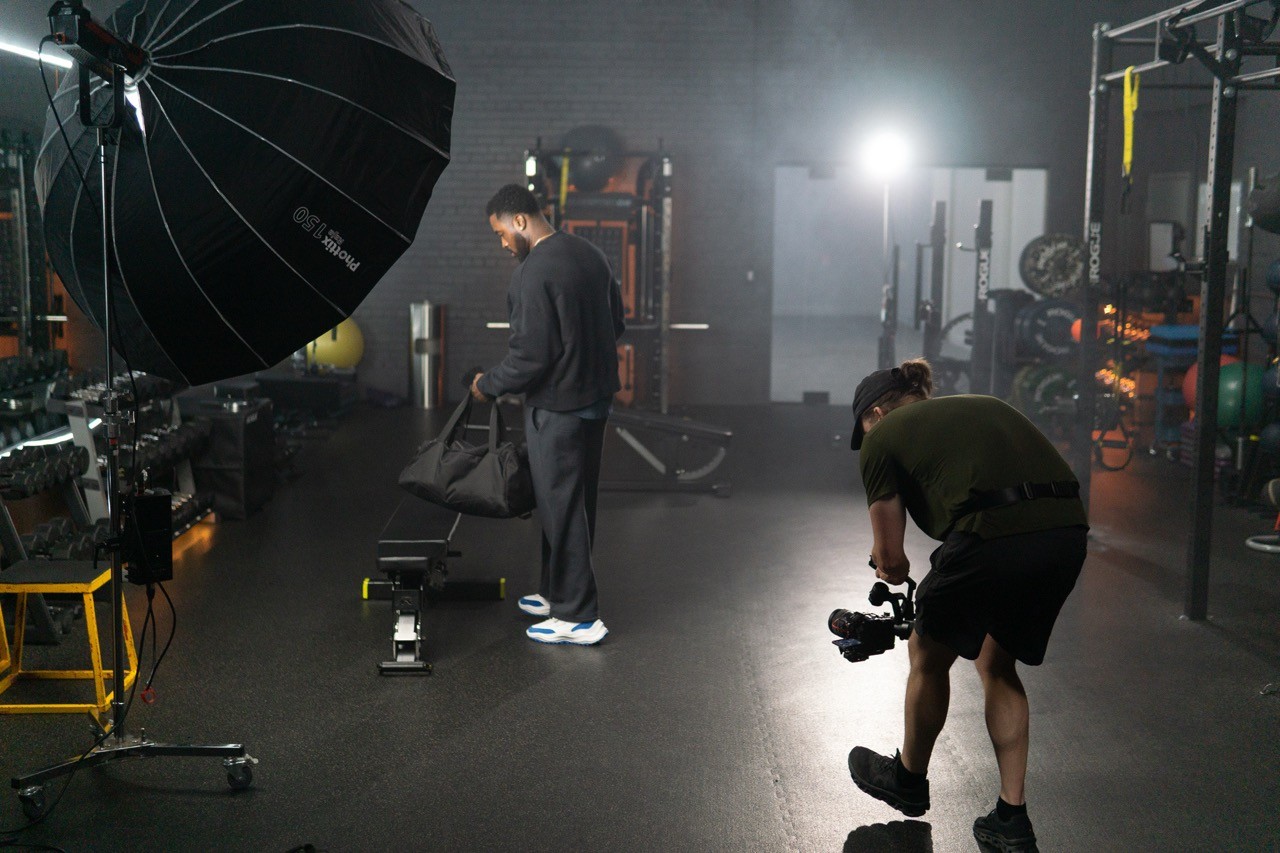
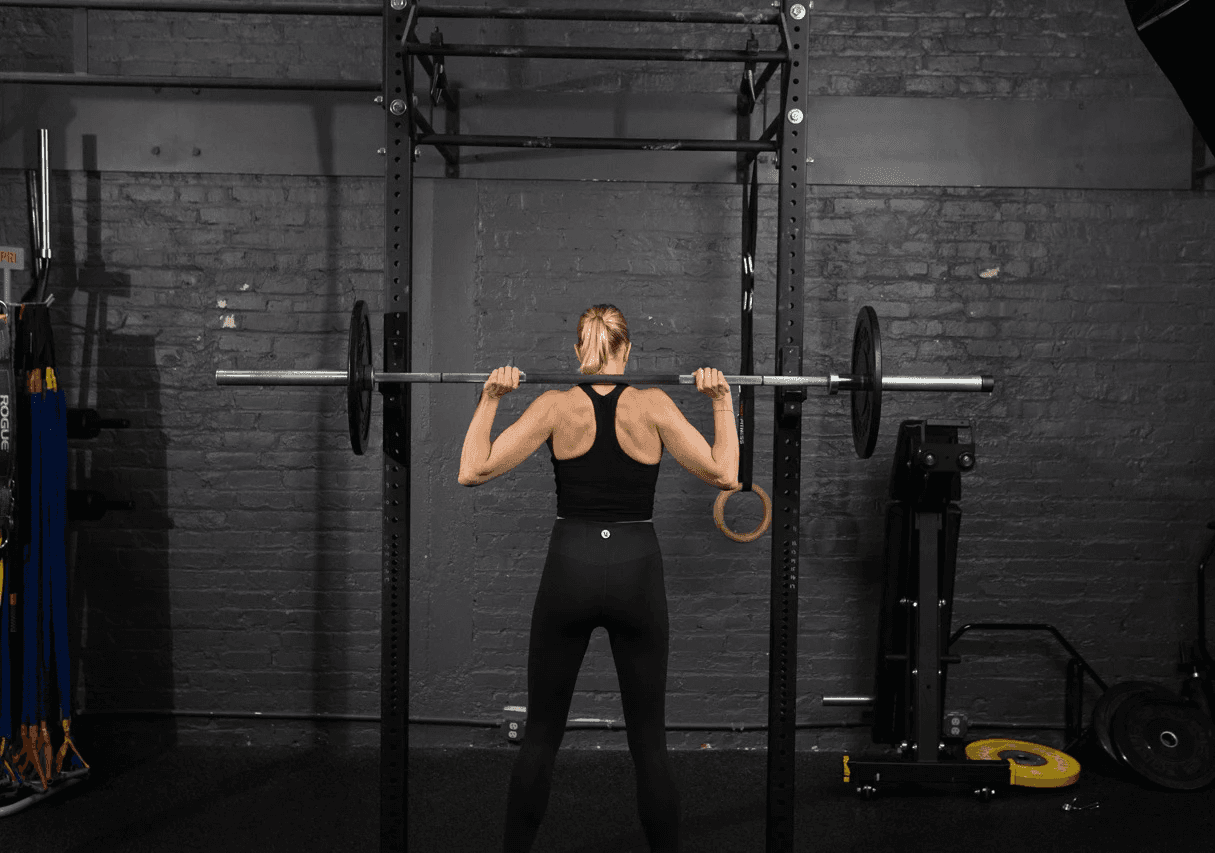
Art direction that captures our brand.
Capturing the dark and technical aesthetic we wanted for Hound was paramount during out photo and video sessions.