Industry
Technology
Client
University of California, Berkeley
Microcosm
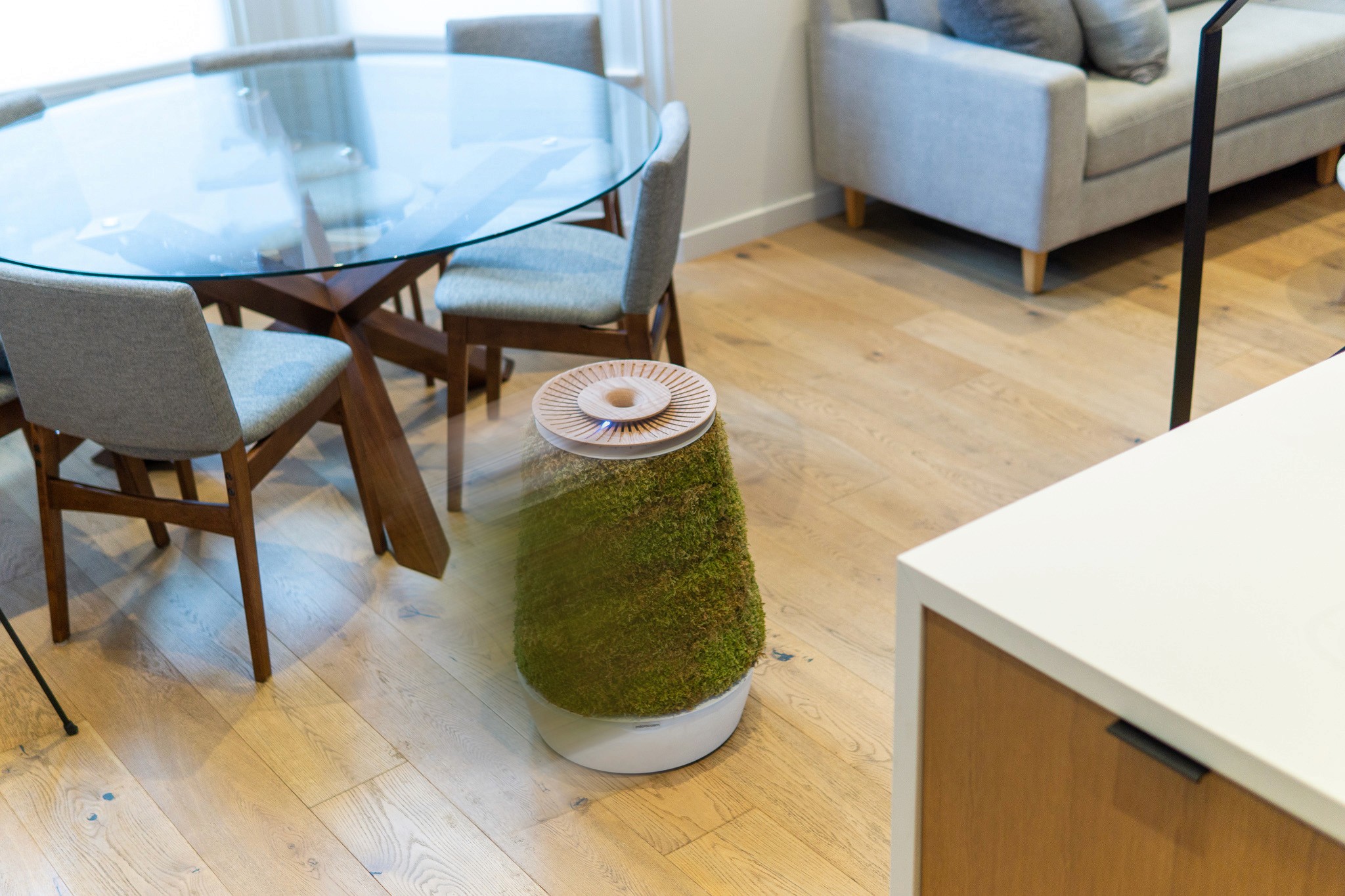
Rethinking the Houseplant: A zero-waste, autonomous air purifier that takes care of itself so you don't have to.
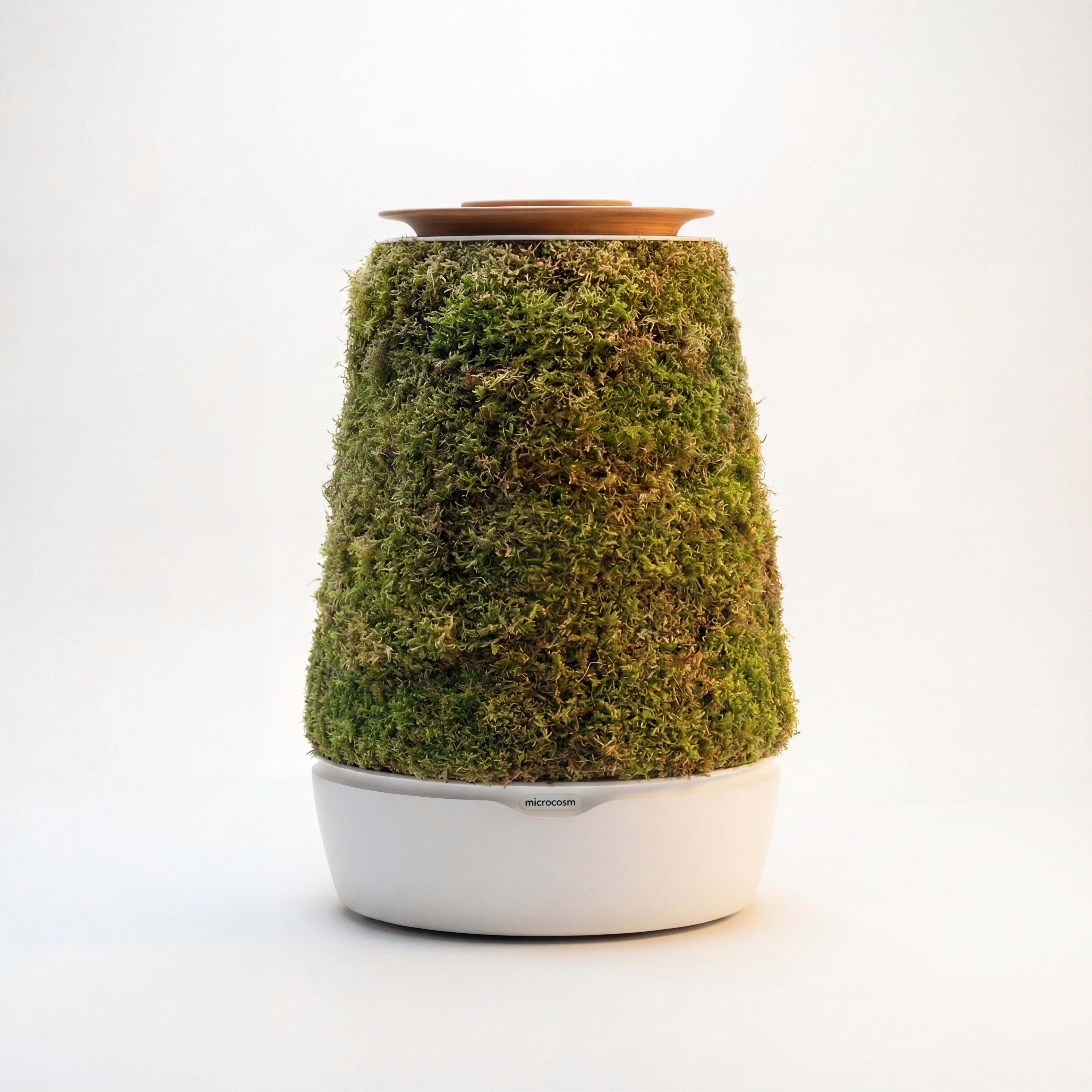
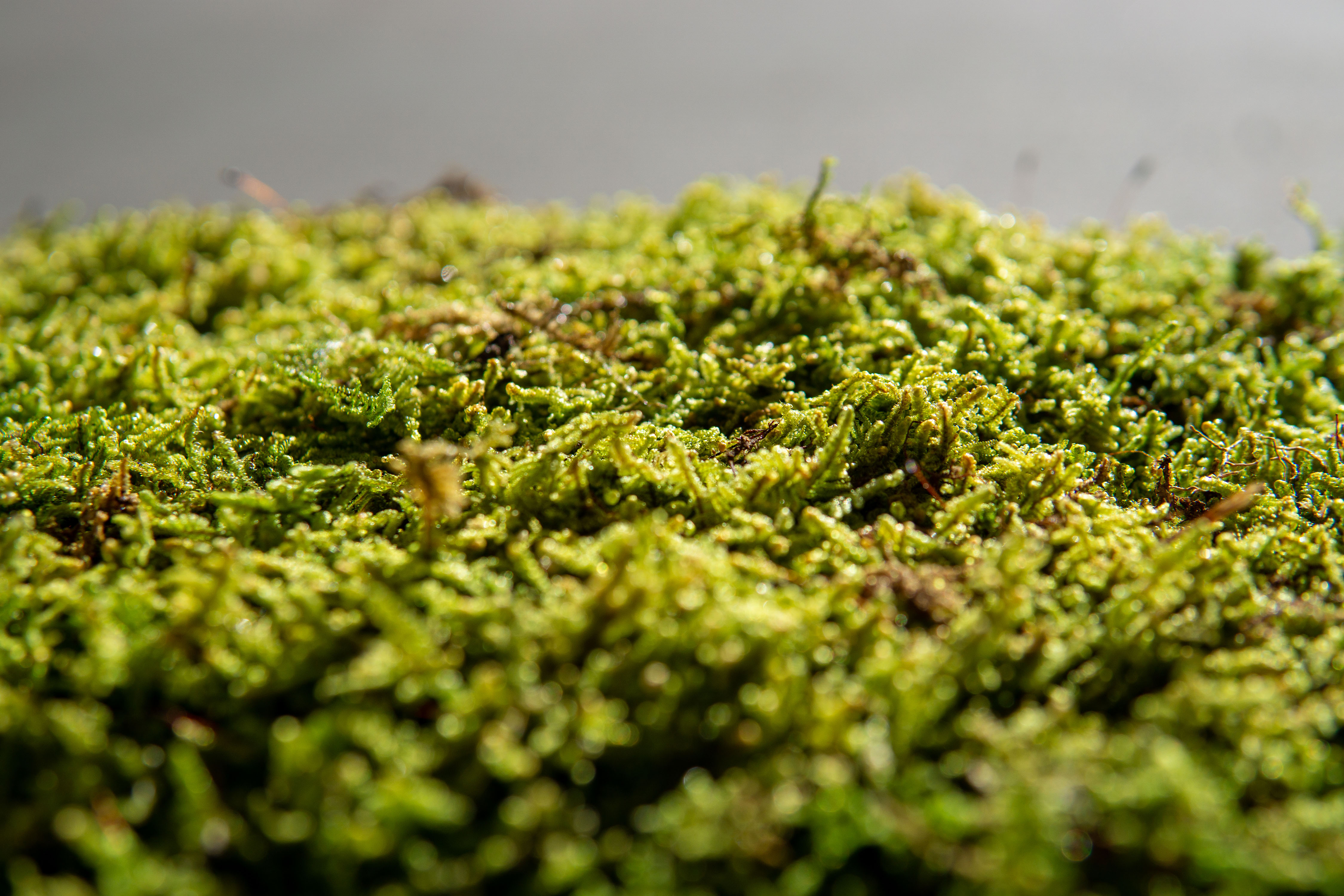
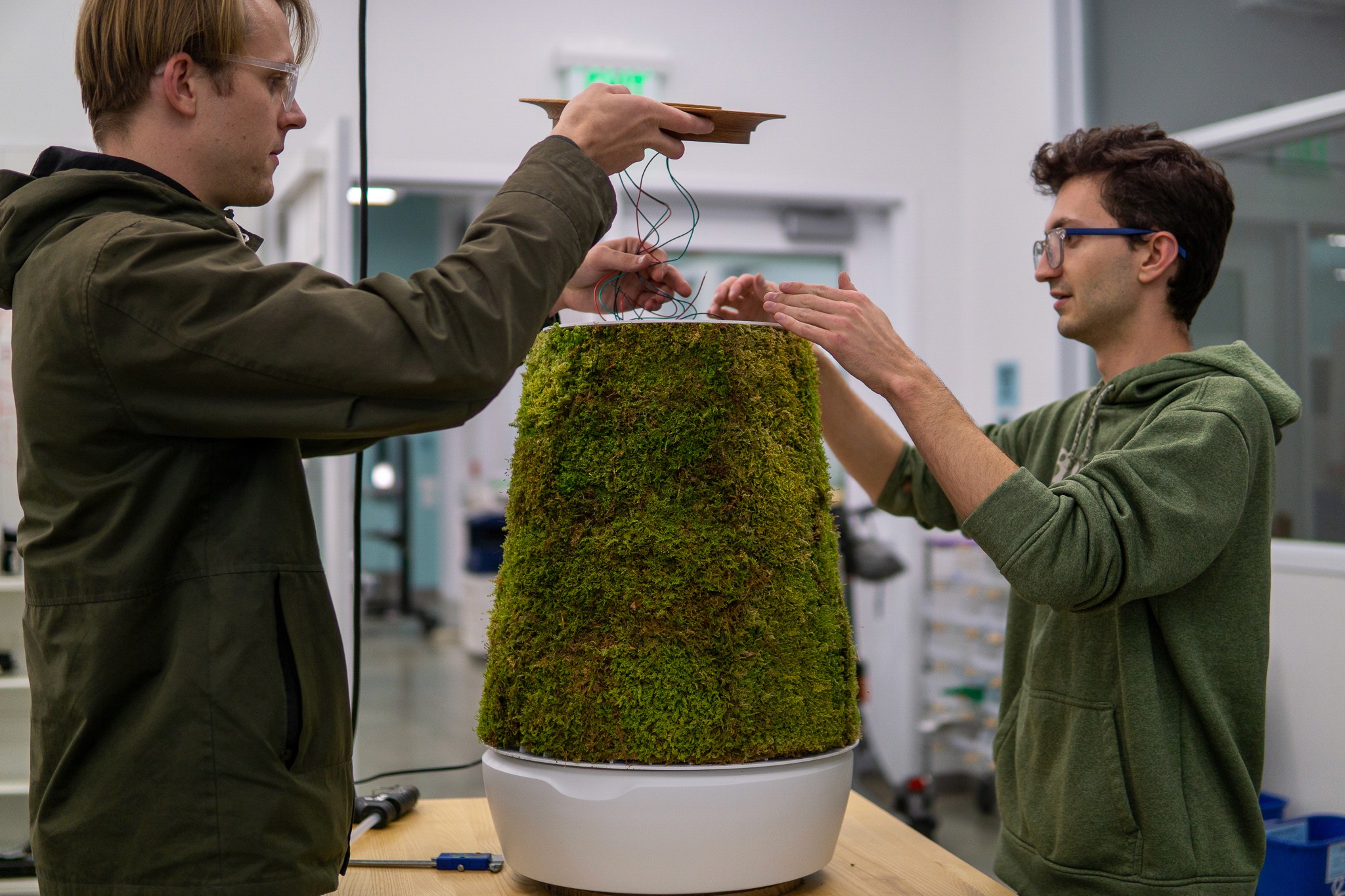
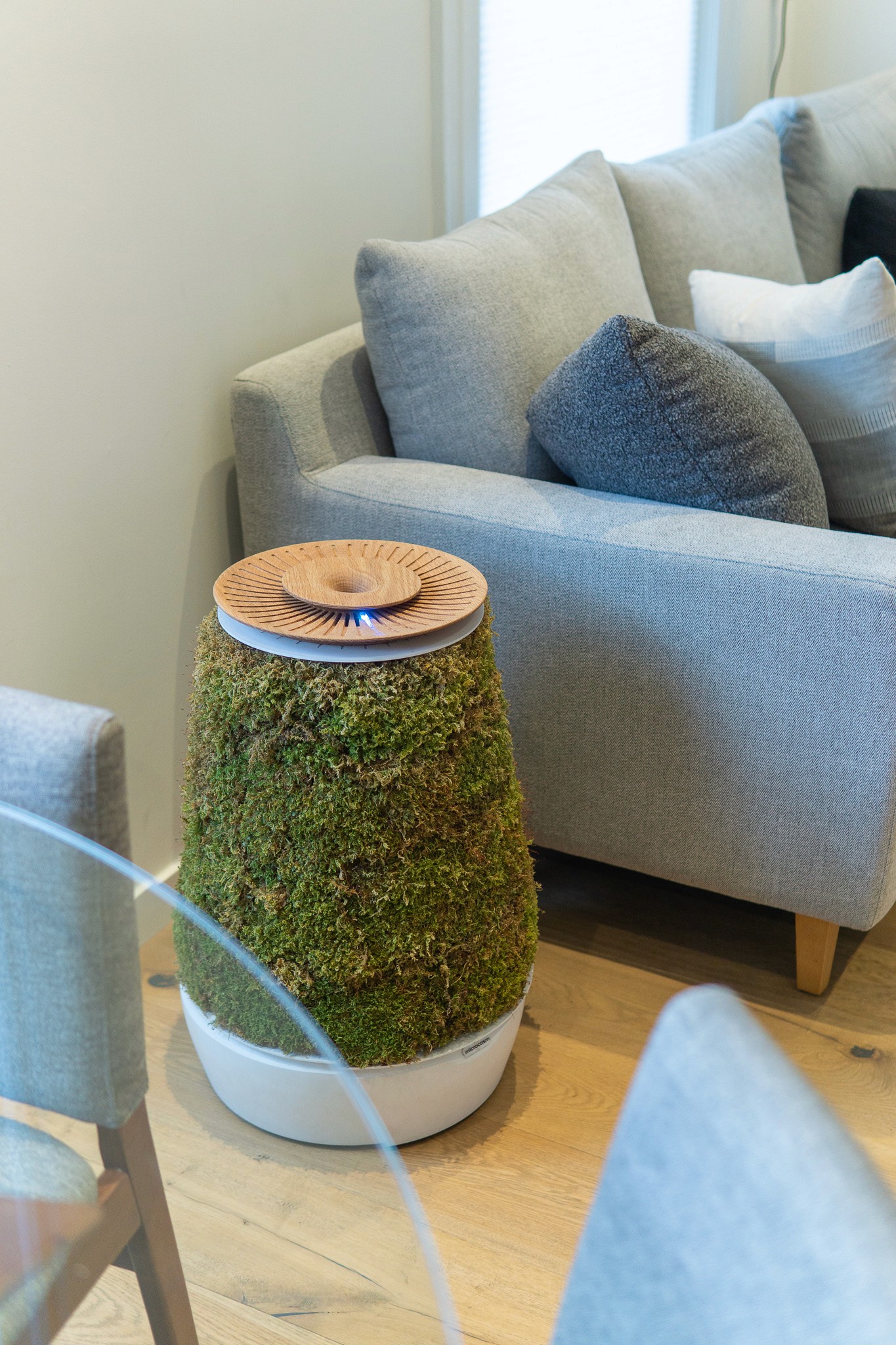
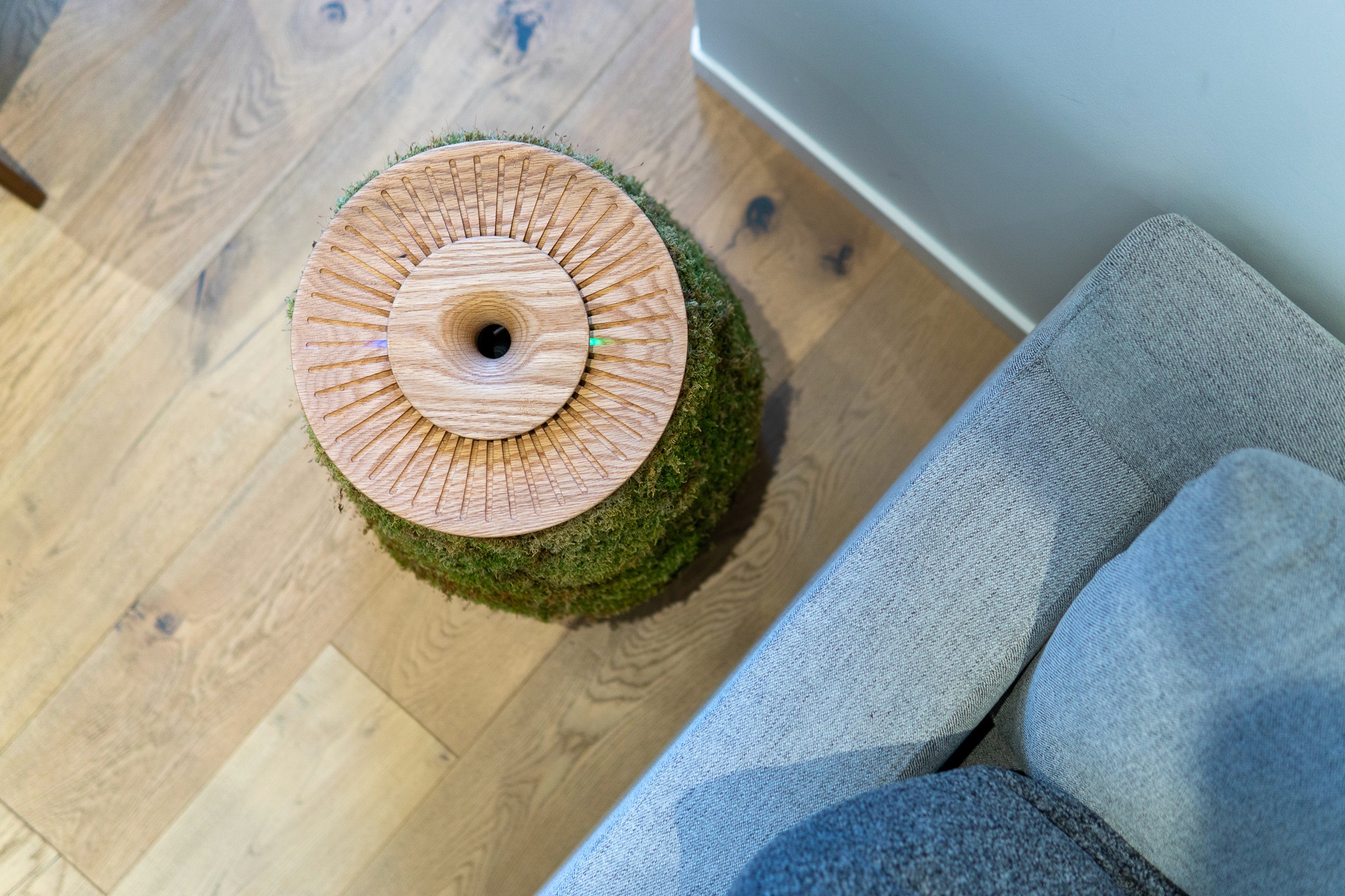
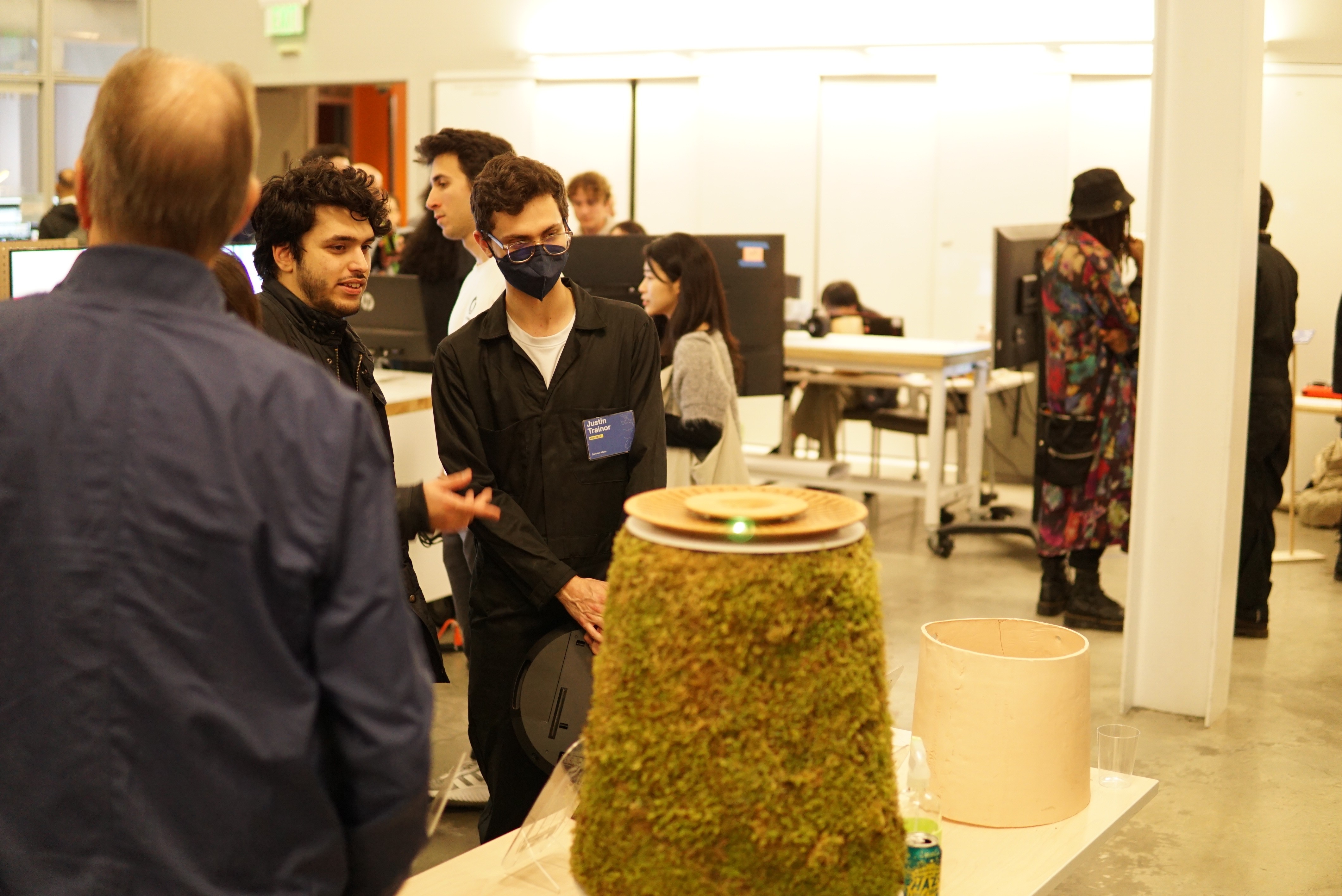
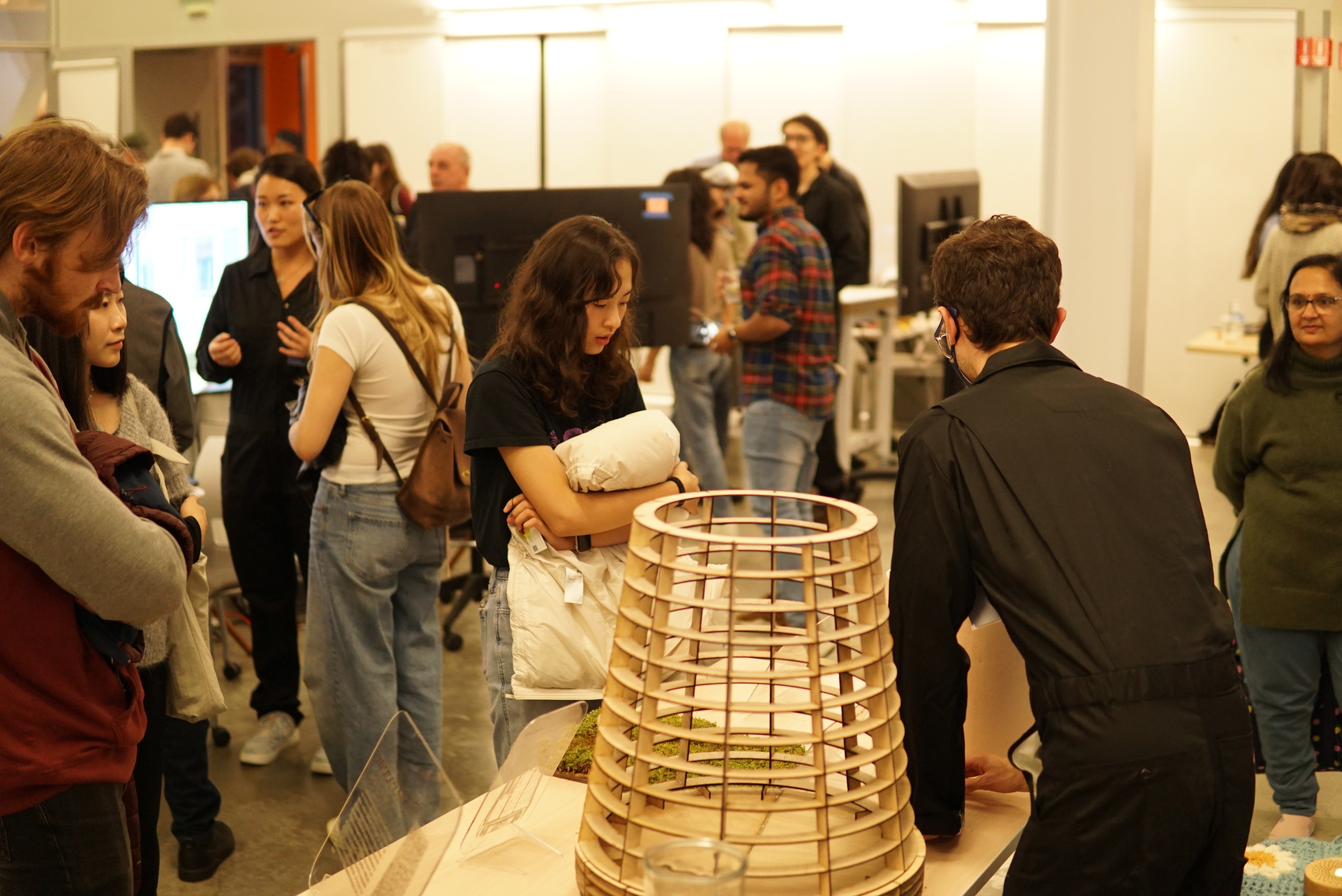
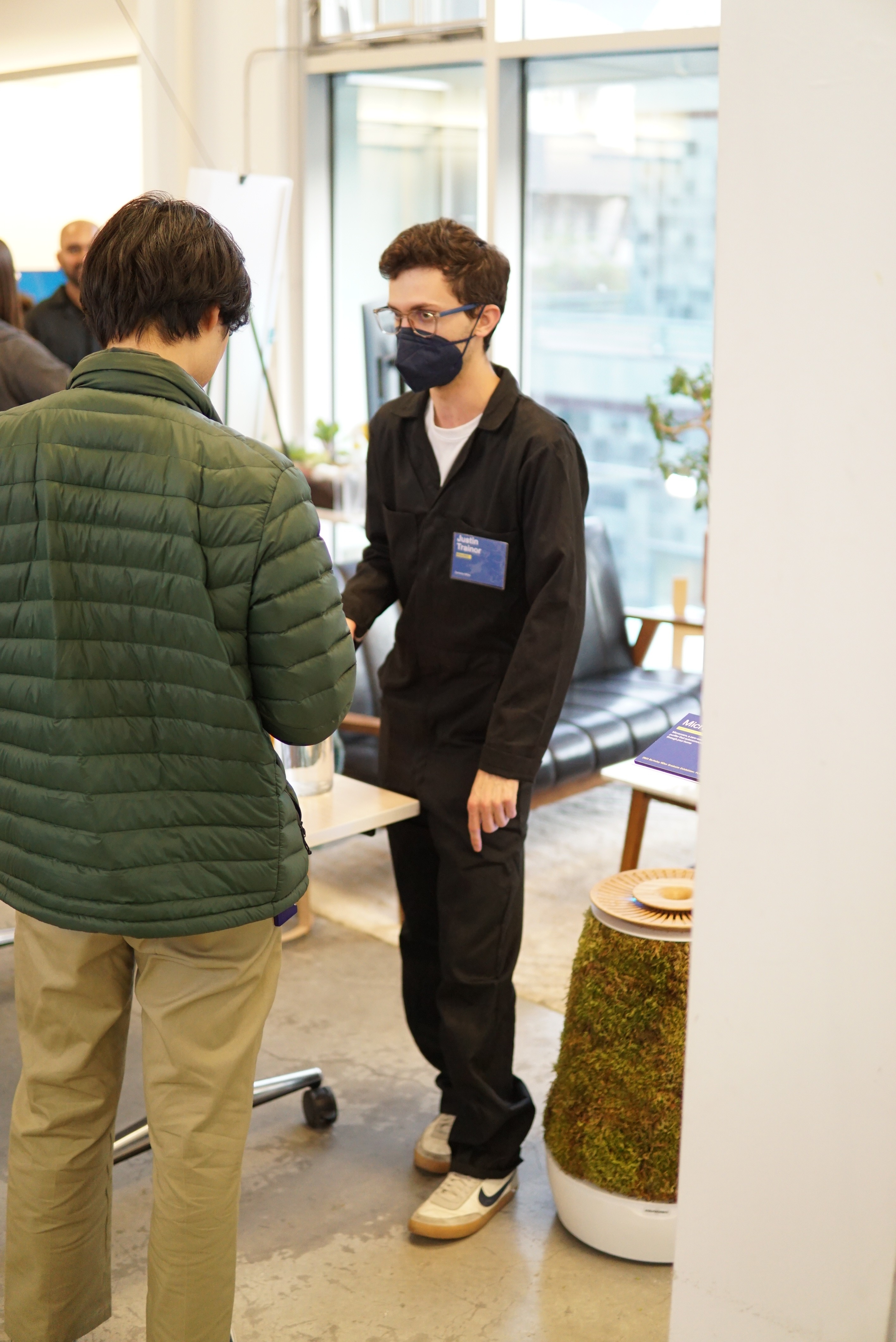
I've always been enchanted by small, contained natural worlds. Ponds, aquariums, a bed of moss on a forest floor. There's something deeply satisfying about a living system quietly doing its thing. That instinct, combined with a growing frustration with the wastefulness of conventional air purifiers, is where Microcosm began. Sphagnum moss is a remarkably capable natural air purifier. Its dense cellular structure traps particulate matter and naturally absorbs VOCs. And unlike a HEPA filter, it doesn't get thrown away. Instead, it grows, and even uses the matter it captures from the air as food. The design challenge was giving the moss what it needs to thrive: optimal light, consistent moisture, and stable conditions while simultaneously using it to clean the air throughout an entire home. In addition to the living filter, Microcosm was given the ability to move. A distributed network of Bluetooth air quality sensors and an autonomous robotic base let Microcosm seek out the dirtiest air in the house and go clean it, making it the first device of its kind to combine living filtration with autonomous movement. This means you only need one device for your entire home, further reducing waste. But Microcosm was never meant to be something people actually go out and buy. Moss genuinely works as an air purifier, and the science is real. But the most important thing Microcosm has to say is the provocation underneath it. We get every breath of oxygen we take from plants, yet our relationship with the natural world has become so transactional and so mediated by technology that we barely register that fact. By giving a wall of moss autonomy, Microcosm attempts to awaken people to their own perception of nature.